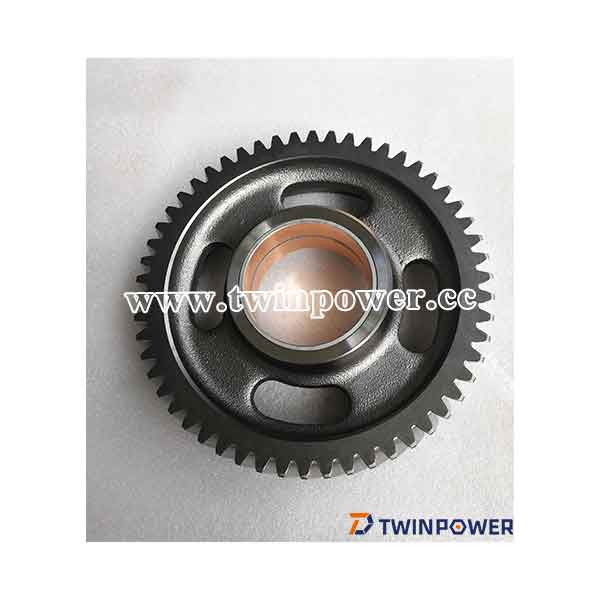
Idler Gear 3084532 – Engine Timing Gear Component
The Idler Gear 3084532 is a mechanical gear used in the engine gear train. It transfers rotational motion between meshing gears and helps maintain the required relationship between connected components. Parts catalogs list this part in the idler gear assembly for selected M11, ISM, and QSM11 engine configurations. Its correct engagement and alignment are important for smooth gear operation and reliable power transmission.
🔩 Specifications
· Product Name: Idler Gear
· Part Number: 3084532
· Component Type: Engine idler gear
· Primary Function: Transfers rotational motion between meshing gears
· System: Engine gear train
· Installation Position: Designated idler gear mounting position within the gear housing
· Related Components: Idler shaft, bushings, gear retainer, and thrust bearings
· Application: Selected M11, ISM, and QSM11 engine configurations
⭐ Key Features
The idler gear provides an intermediate connection between other gears in the engine drive system. Rather than generating power independently, it transmits rotation through its meshing teeth. This arrangement allows the engine designer to establish the required gear layout and rotational direction between connected components.
Furthermore, accurate tooth engagement helps maintain consistent motion transfer throughout the gear train. The gear works alongside its shaft, bushings, and thrust bearings, which support its mounting and control movement within the assembly. Consequently, wear in any of these related components can affect gear alignment and operating performance.
⚙️ Technical Insights
During engine operation, torque passes through a series of meshing gears to drive the relevant engine mechanisms. The idler gear transmits this motion through contact between its teeth and the adjoining gears. Therefore, tooth condition and correct installation are essential to maintaining smooth mechanical engagement.
Over time, repeated loading can cause tooth wear, pitting, surface damage, or abnormal backlash. In addition, inadequate lubrication or excessive movement at the mounting point may accelerate wear. Technicians should inspect the gear teeth, mounting bore, shaft, bushings, and thrust bearings during an overhaul. Checking the mating gears is equally important because damage on one gear can affect the condition of the entire gear train.
Proper reassembly also requires attention to gear positioning and specified clearances. Follow the applicable service manual for installation procedures and gear backlash measurements. After assembly, verify that the gear train meets the prescribed inspection requirements before returning the engine to service.
🛠 Application Scenarios
The Idler Gear 3084532 is used in engine gear train maintenance, timing gear inspections, and major engine overhaul work. Replacement may be necessary when inspection reveals damaged teeth, excessive wear, abnormal contact patterns, or clearances outside the specified limits.
During a rebuild, technicians should examine the associated idler shaft and supporting bushings for wear or looseness. Moreover, the thrust bearings and retaining components should be checked for damage that could affect gear positioning. Replacing only the worn gear without investigating related components may allow the original problem to return.
This component is also relevant when diagnosing unusual noise from the engine gear housing. Although worn gear teeth can contribute to noise, incorrect clearance, poor alignment, and damaged bearings may produce similar symptoms. A systematic inspection helps identify the underlying cause and supports a more complete repair.
📦 Availability
The Idler Gear 3084532 is readily available for engine spare parts requirements. It supports gear train maintenance and overhaul work where a worn or damaged idler gear requires replacement to restore proper mechanical engagement.
For exact fitment, please provide your Engine Serial Number (ESN). Our customer support team is always ready to help ensure you receive the correct parts for your engine configuration.