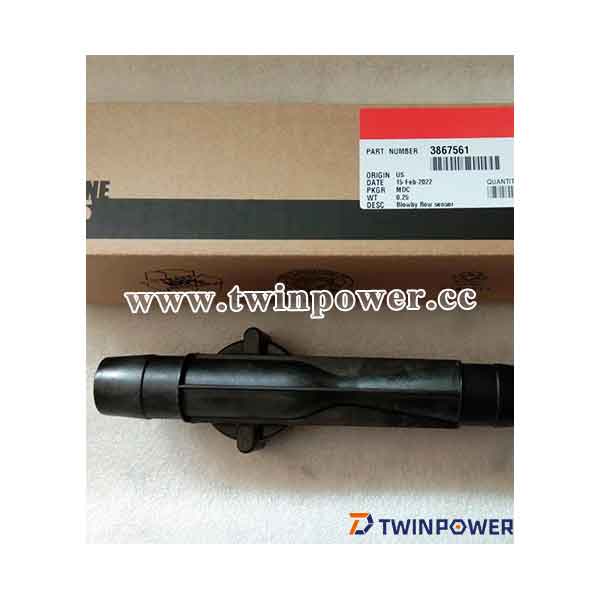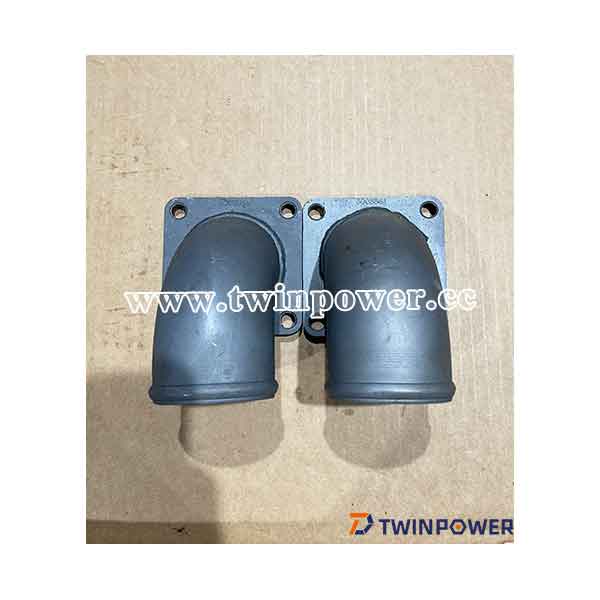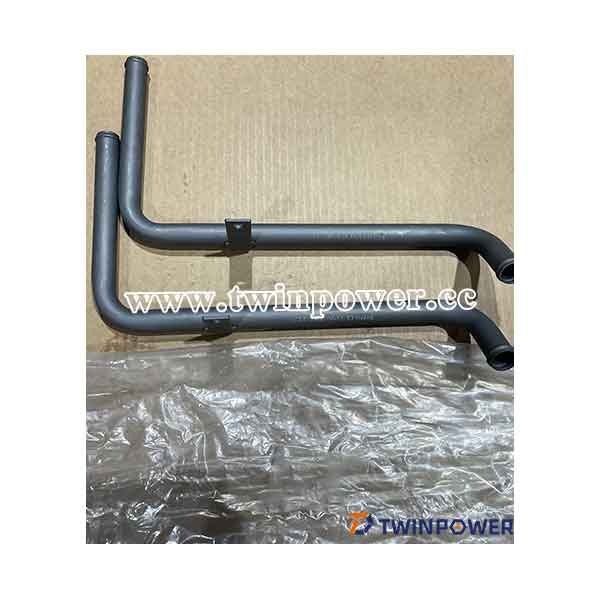
Water Transfer Tube 3008866 – Engine Coolant Transfer Component
The Water Transfer Tube 3008866 is an engine cooling system component designed to guide coolant between designated passages in a compatible engine. It helps maintain the intended flow route within the cooling circuit, supporting heat transfer and engine temperature control. A correctly fitted tube also helps maintain secure connections and reduce the risk of coolant leakage. For engine parts distributors and maintenance workshops, the Water Transfer Tube 3008866 provides a specific reference for replacement and cooling system servicing.
🔩 Specifications
· Product Name: Water Transfer Tube
· Part Number: 3008866
· Component Type: Engine coolant transfer tube
· Primary Function: Transfers coolant between designated passages
· System: Engine cooling system
· Installation Position: Specified coolant transfer connection
· Application: Compatible engine systems, subject to fitment verification
· Supply Condition: Available for replacement and maintenance requirements
⭐ Key Features
The Water Transfer Tube 3008866 provides a defined passage for coolant within the engine cooling circuit. Its design supports the connection between designated sections and helps direct coolant along the intended route. As the engine operates, coolant circulation carries heat away from key components. Consequently, a properly installed transfer tube contributes to effective cooling system operation.
However, continuous exposure to vibration, temperature changes, and coolant can affect the tube over time. Corrosion, deformation, cracks, or damaged connection points may lead to leakage and coolant loss. Therefore, technicians should inspect the tube during routine servicing and look for visible damage or signs of seepage. They should also check the mating surfaces and related seals for wear. Replacing a damaged tube promptly helps maintain cooling system integrity and reduces the risk of unexpected downtime.
⚙️ Technical Insights
A water transfer tube forms part of the engine’s coolant circulation path. Its routing and connection design must match the intended engine configuration to support proper coolant movement. In addition, the tube and its joints must withstand normal operating temperatures and system conditions. Poor fitment, restricted flow, or inadequate sealing may affect cooling performance.
Before installing the Water Transfer Tube 3008866, verify the part number against the relevant engine parts catalogue. Transfer tubes may differ in shape, routing, and connection details, even when they appear similar. During replacement, inspect the adjoining components and sealing elements for damage. Follow the applicable service instructions when positioning and securing the tube. Finally, check the connections for leakage after installation to help confirm proper sealing.
🛠 Application Scenarios
The Water Transfer Tube 3008866 may be required during engine cooling system repairs, scheduled maintenance, or overhaul work involving coolant passages. Technicians may replace the tube when inspection reveals corrosion, deformation, leakage, or other physical damage. Regular inspection can also help identify deterioration before it affects engine temperature control.
For engine parts suppliers and repair workshops, this component provides a specific reference for sourcing replacement parts. Accurate part-number records help simplify enquiries and reduce ordering errors. Furthermore, inspecting nearby hoses, seals, and connection points during replacement can help identify related issues at the same time. Confirming the engine model and serial number before ordering also helps verify compatibility and avoid unnecessary delays.
📦 Availability
The Water Transfer Tube 3008866 is available for engine spare parts sourcing, subject to stock confirmation. When requesting a quotation, provide the complete part number and, where possible, the engine model and serial number. This information helps verify the intended application and fitment requirements. Buyers should also confirm the required quantity and whether separate seals or related installation components are necessary. Accurate identification supports efficient procurement and helps maintenance teams plan repairs effectively.